
Canada is one of the best countries to study abroad. Every year, thousands of Indian students choose Canada to benefit from world-class education at top-ranked universities known for their modern campuses and globally recognised degrees. Whether you’re planning to study in Canada from India for engineering, technology, business, or healthcare, you’ll find high-quality courses respected worldwide, making Canada one of the most popular study abroad destinations for Indian students.
A Welcoming and Safe Place to Live
One of the things students love most about Canada is how friendly and inclusive it is. No matter where you’re from, you’ll feel welcomed and accepted here. People are polite, respectful, and open to all cultures. Whether you’re in a big city or a small town, Canada offers a peaceful and safe environment that feels like home. Our Study in Canada consultants will guide you in choosing the right city and place to live.
Real Experience While You Study
In Canada, you won’t just sit in classrooms but you’ll also get a chance to gain real work experience too. Many schools offer co-op programs, internships, and part-time job options. That means you can apply what you learn while you study and build your resume along the way. Plus, after graduation, you may even be able to stay and work. Scholarships and financial aid are also available to help with your costs.
- Choose a Program and Apply
Enroll in a course and college, then apply and get a Letter of Acceptance. - Meet Academic and Language Requirements
Have the right qualifications and show your English skills with IELTS or TOEFL scores. - Prepare Your Documents
Get your Letter of Acceptance, proof of funds, passport, and other required documents. - Apply for a Study Permit
Apply for a study permit, give your biometrics, and explain why you want to study in Canada.
Contact us to know more about study in Canada admission requirements!

- A letter of acceptance from a DLI
- Proof that you can financially support yourself during your studies
- A valid passport
Worried about the cost? Studying abroad isn’t cheap, but Canada is often more affordable than other countries like the U.S. or U.K. Plus, many schools offer scholarships and financial aid to help international students like you cover expenses and focus on your education.
Generally, the three intakes in which international students can apply for studying in Canada are:
- Fall Intake (September)
- Spring Intake (January)
- Summer Intake (May)
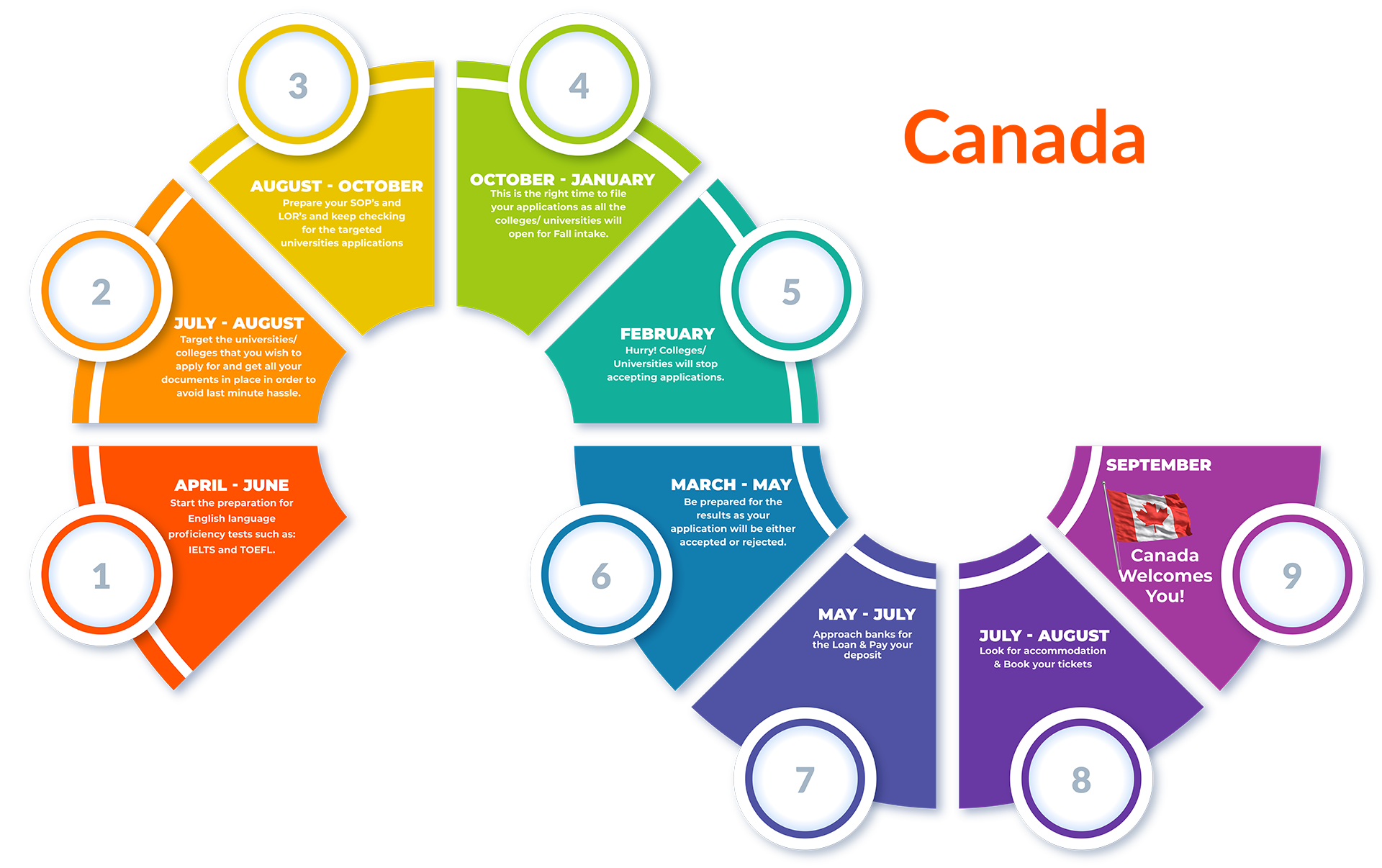
For a Canadian student visa, you’ll need the following documents in place before you begin the process:
Documents You’ll Need:
- A valid passport
- An acceptance letter from a Designated Learning Institution (DLI)
- Completed visa application forms
- Documents indicating financial support (bank statements, sponsor letters, etc.)
- Educational transcripts and certificates
- Language test results (IELTS, TOEFL, or equivalent in English/French)
- A Statement of Purpose (SOP) or letter of intent explaining your study plans
- Medical exam results, if required
Step 1: Get Accepted by a Canadian School (DLI)
To start your Canada student visa process, First, you need to apply to a Canadian college or university that’s approved to accept international students (this is called a Designated Learning Institution and/or DLI). Once you get your acceptance letter, you can start your visa process from here.
Step 2: Collect All Your Documents
Next, you’ll need to gather the documents for your visa application. This includes:
- A valid passport
- Your acceptance letter
- Proof that you can pay for your studies and living costs
- School transcripts
- Language test scores (like IELTS)
- A statement of purpose
- Any other documents asked for by the Canadian government

Step 3: Apply Online & Pay the Fee
Create an account on the IRCC website and fill out your application form. Then upload your documents, pay the visa fee, and submit. Also if needed, you’ll book a biometrics appointment at this stage.
Step 4: Provide Biometrics & Attend Interview (if required)
Some students need to give fingerprints and a photo, and in a few cases, attend a visa interview. If either applies to you, don’t stress since you’ll get full instructions on when and where to go.
Step 5: Wait for a Decision & Get Ready to Fly to your dream country!
Once everything’s submitted, your application will be reviewed and if approved, you’ll receive your visa and a Letter of Introduction. Just bring these when you travel so you’ll get your study permit upon landing in Canada!

University of British Columbia

McGill University

McMaster University
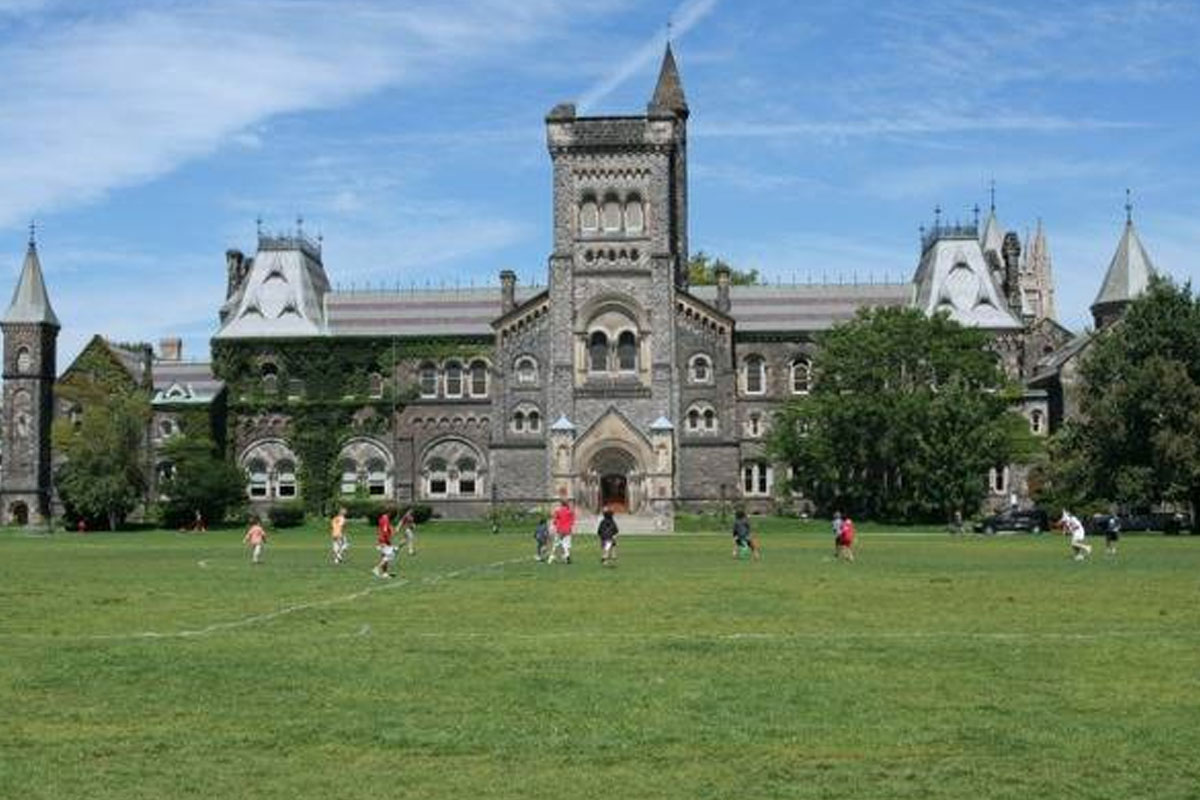
University of Toronto

University of Manitoba

Concordia University
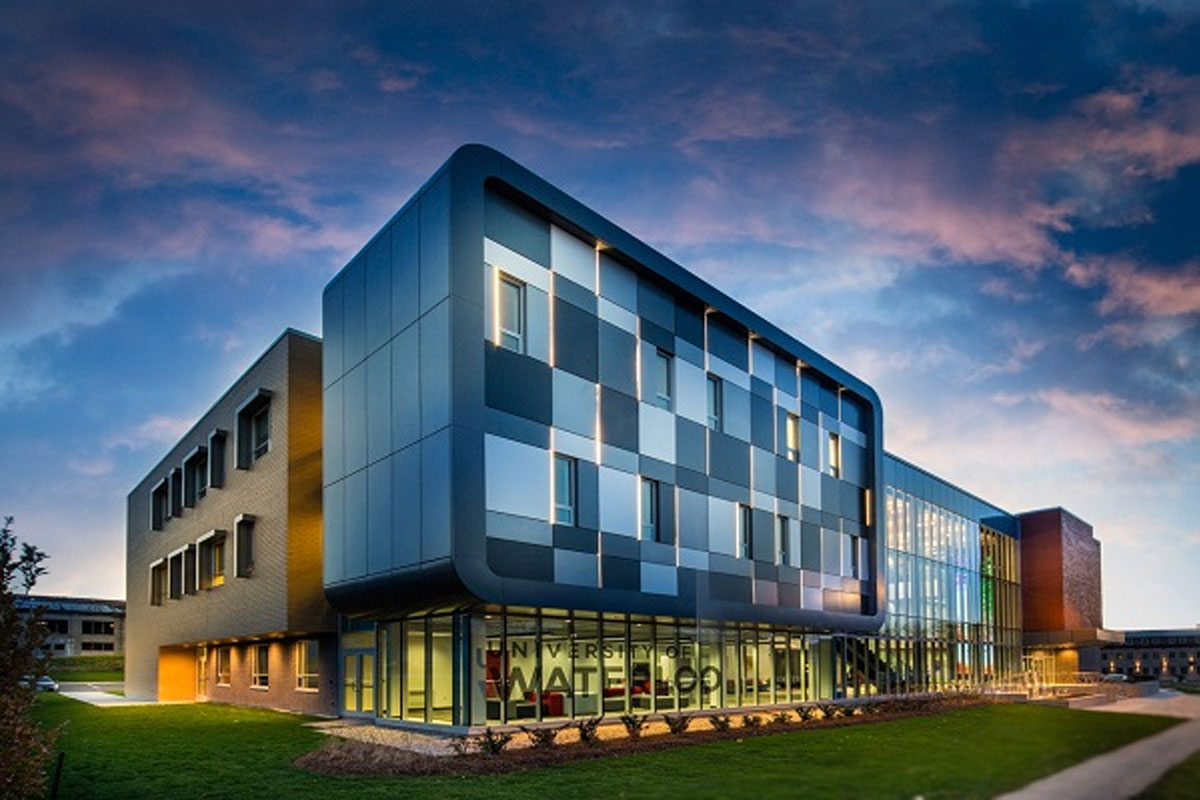
University of Waterloo

University of Ottawa

- Humber College
- George Brown College
- Seneca College
- Douglas College
- Centennial College
- Sheridan College
- Conestoga College
- Lambton College
Information Technology (IT) sector

Engineering

Business and Finance

Healthcare

Education and Teaching

Creative Arts and Media

Natural and Applied Sciences

Hospitality and Tourism

Research and Development

Research and Development
To get a Canadian study permit, you need an acceptance letter from a Designated Learning Institution (DLI), proof of funds for tuition, living expenses, and travel, a valid passport, and proof of English or French language skills.
You can apply online through the official Canadian immigration website. You’ll have to upload your acceptance letter, proof of money, passport details, and other documents. We can help you get everything ready!
Yes! Most students can work part-time (up to 20 hours a week) during school and full-time during holidays all without needing a separate work permit. This can help you earn extra money and get work experience.
Many Canadian schools offer scholarships and financial help just for international students like you. It’s a good idea to check with your school early and apply for these.
It usually takes a few weeks to a few months, depending on where you’re applying from and how complete your application is. So, it’s best to start your application as early as you can!